ExploreExplore
All use cases

SOLUTIONS / Games and interactive stories

Games and interactive stories

Connect character motives, player choices, and world state to carry the story forward.

Explore
Built forGame studiosInteractive narrative teamsVirtual world developers

01Dynamic NPCs

Give every NPC a point of view.

What a character knows, their relationships and their goals determine how they respond to the player. Quest outcomes are still handled by the game’s rules.

Input
Character beliefs, player actions, quest state
Output
Dialogue, intended actions and pending events
View workflow
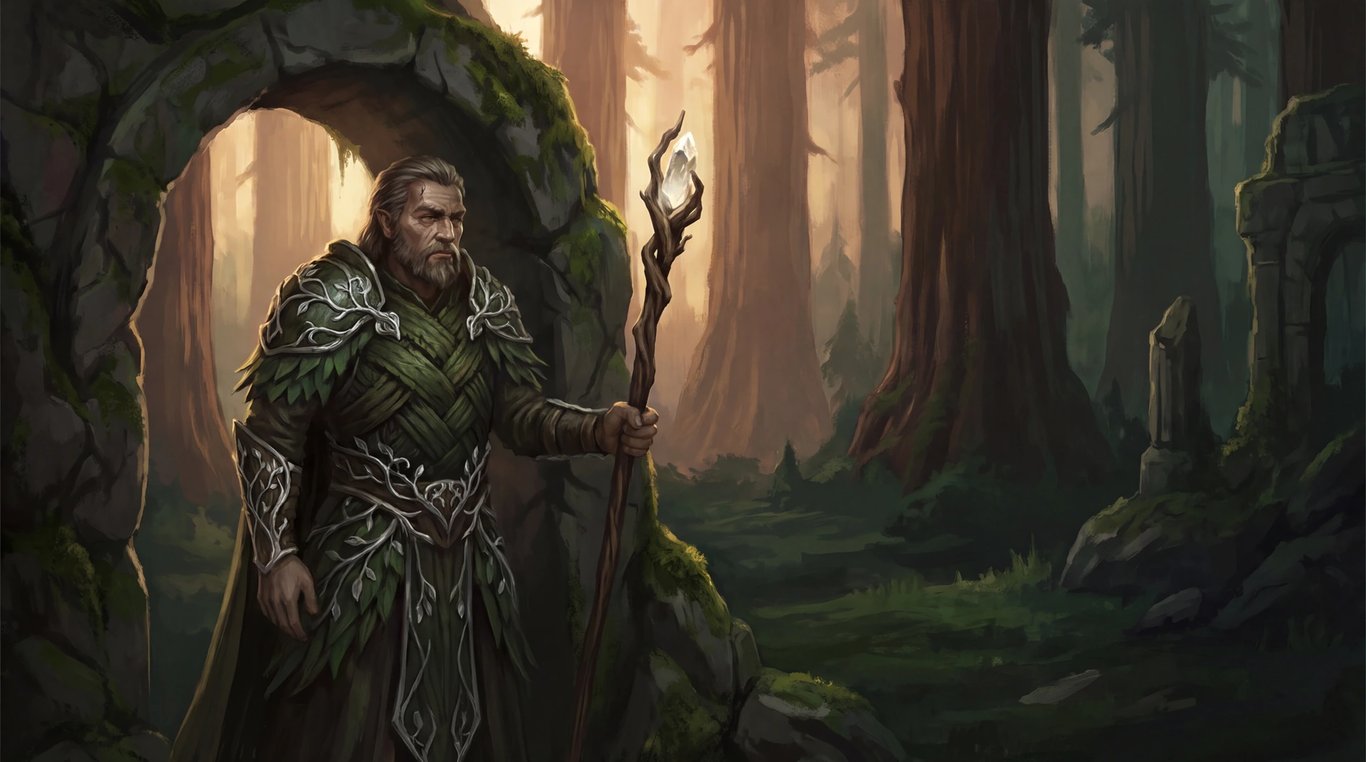
Forest guardian character design
Character profile01 / PERSONA

The forest keeper

Guards the forest, and remembers the people who once helped him.

“First, tell me why you want to enter the forest.”

02Branching narrative

One choice, lasting consequences.

Your game records each choice in the story state, so characters can respond to what happened when the player returns.

Input
Story setting, branch conditions, past choices
Output
Character reactions and candidates for the next story beat
View workflow
Same event · Different choicesSTORY STATE

The city gate closes at sunset.

The guard needs help, but your companion is urging you to leave.

The next encounter

The guard opens the side gate for you.

Staying changed the guard’s attitude, and delayed your journey.

RelationshipsQuest progressPast choices

03Interactive worlds

Characters that belong in your world.

Design the character’s identity, quests and surroundings together, so their expression stays true to the world.

Input
Previous frames, world state, camera directions
Output
Subsequent scene segments and visual continuity
View workflow

IN PRACTICE

An NPC responds to your choices

The player once helped the innkeeper recover a lost item. On a return visit, they ask about a missing caravan. The character decides how to respond based on that earlier help, the clues it currently has and its own concerns; quest changes are confirmed by game logic and written back to the world state.

What to prepare

  • Lore, character profiles and what each character can know
  • Completed quests, current events and player behavior
  • Relationship records and the range of possible actions

Deliverables and feedback

  • Dialogue and suggested actions consistent with the character’s motives
  • Event or quest intents that game logic can process
  • Matching character reactions and staged scenes

CONNECTED INTELLIGENCE

Models working together.

Connect your business context, model outputs, and application feedback.

Understand people and context

OmniSoul

Generates dialogue and action intents from the world state, the character’s beliefs and relationships.

Input
Character profiles, conversation history, and context
Output
Context-aware responses and proposed actions

Animate characters in real time

OmniFlow

Renders the character’s real-time dialogue, expressions and physical reactions.

Input
Reference images, speech, and motion prompts
Output
Character video with coordinated speech and movement

Generate scenes and video

OmniX-1

Generates staged scenes, cutscenes and dynamic visuals for interactive storytelling.

Input
Text, images, storyboards and earlier frames
Output
Causal chunked video and cinematic footage
  1. Supply the current world state

    Read quests, items, character relationships and ongoing events from the game system.

  2. Generate a response

    OmniSoul weighs the character’s goals and what it can know, then produces speech and action intents.

  3. Apply the outcome

    Game logic determines the outcome of the action, the character and scene models render the change, and the result is fed back to the character.

FROM PILOT TO PRACTICE

Test what works.

Test representative tasks at a small scale. Record inputs, model versions, and results, then refine the solution based on what you learn.

Access and availability depend on the model and release.

World consistency

Check whether characters reveal information they shouldn’t know or contradict events that have already happened in the game.

Consequences of choices

Compare different player behaviors and see whether relationships and later responses change accordingly.

Interaction continuity

Check transitions between quest changes, interrupted actions and multi-turn dialogue.

Start a pilot

Tell us about your users, tasks, and success criteria. We’ll help you explore the right models.

Research and industry resources

OMNISOUL · RESEARCH PREVIEW

Request access

Tell us about your team and your research.

Research area